

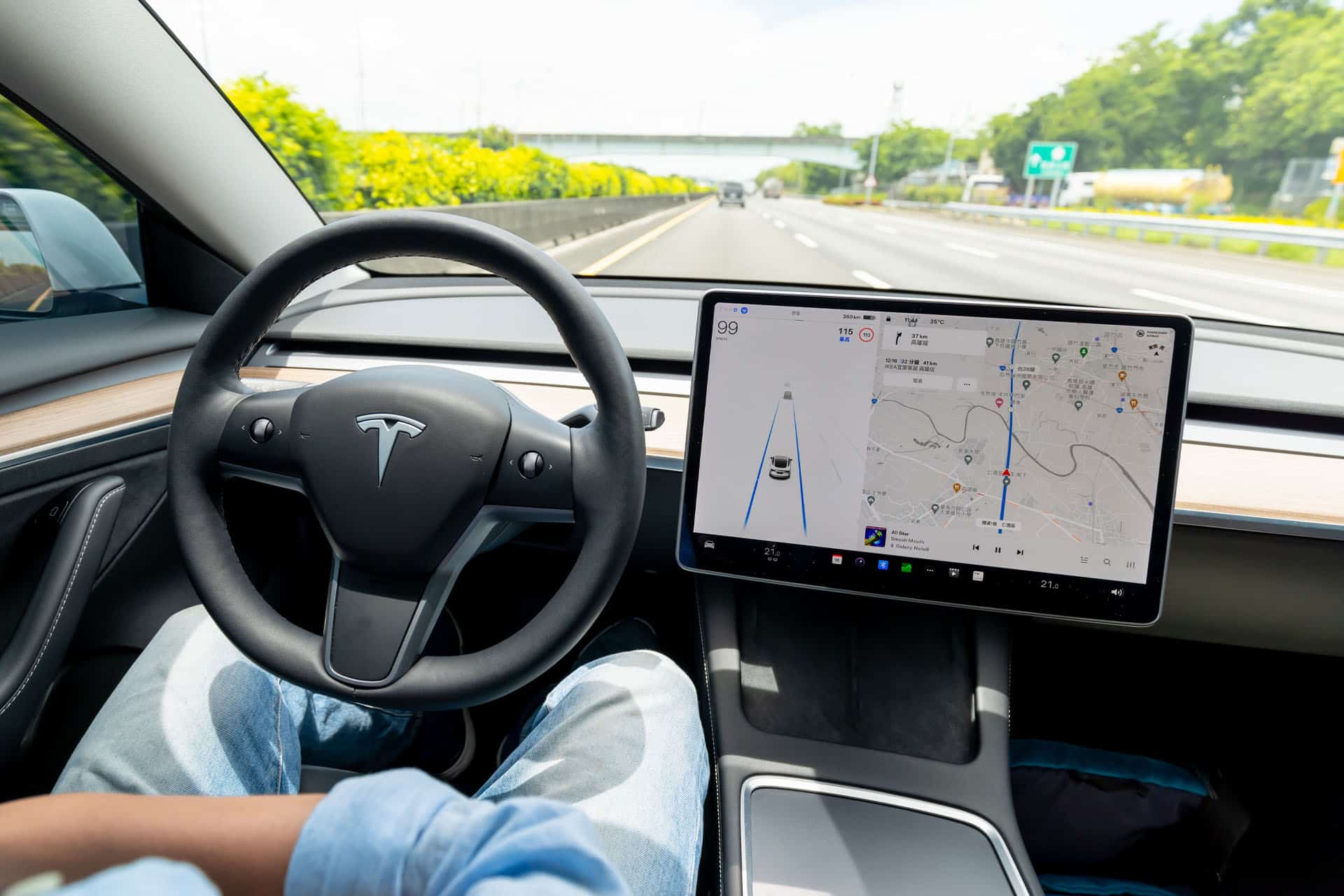
Getting behind the wheel these days feels more like stepping into the future, especially if you’re driving a Tesla. With features like Autopilot and collision avoidance that sound straight out of a sci-fi movie, it’s no wonder people are fascinated by these cars. But let’s be honest—no matter how tech-savvy your car is, there’s still a part of you that grips the wheel a little tighter when traffic gets unpredictable. After all, technology can be impressive, but it’s not infallible. That’s where things get interesting. Tesla’s goal isn’t just to make driving easier but to make it dramatically safer. Yet, even with all the advancements, accidents still happen, and that’s when understanding these features and your legal rights becomes essential. At Etehad Law, we’ve seen how these situations unfold in real life, and as an experienced Accident Attorney Beverly Hills, we’re here to break down what makes Tesla’s safety features so unique—and what you should know if things go wrong.
Tesla’s Philosophy on Safety
Tesla’s philosophy on vehicle safety is rooted in the idea that accidents can be minimized, if not entirely prevented, through advanced technology. The company combines hardware and software in its safety systems. From the design of their electric vehicle platforms—which lower the car’s center of gravity and reduce rollover risk—to the constant evolution of their software, Tesla aims to make their vehicles some of the safest on the road.
A key part of Tesla’s strategy involves over-the-air updates. Unlike traditional automakers, Tesla continuously improves its vehicles by pushing software updates that can change existing features or add new safety functions. The Model 3 earned a five-star overall rating in the National Highway Traffic Safety Administration (NHTSA) crash-test program, but NHTSA has pushed back on how Tesla described those results. In a 2018 letter, the agency told Tesla that its ratings could not show the Model 3 was safer than other five-star vehicles, as Consumer Reports reported.
Autopilot and Full Self-Driving (FSD) Technology
One of the most talked-about features in Tesla vehicles is Autopilot. This semi-autonomous driving system includes functionalities like lane keeping, adaptive cruise control, and automatic lane changes. When engaged, Autopilot can help reduce driver fatigue on long journeys by handling some of the more monotonous aspects of driving. FSD, a more advanced iteration, is designed to navigate city streets, recognize traffic signals, and even make complex decisions at intersections.
However, both Autopilot and FSD are not foolproof. Tesla emphasizes that these features are not fully autonomous and that drivers must remain engaged, keeping their hands on the wheel and their eyes on the road. NHTSA has investigated whether drivers rely on these features too much. Its Autopilot investigation led to a December 2023 over-the-air recall of about 2 million vehicles, and the agency has since opened further reviews of Full Self-Driving.
While Autopilot can be a lifesaver in some scenarios, it can also create a false sense of security. Cases of drivers misusing the technology—such as falling asleep or becoming distracted—have led to accidents that could have been avoided. As accident attorneys, we look closely at these limitations when we assess liability after a crash.
Collision Avoidance and Emergency Braking
Tesla’s vehicles come equipped with advanced collision avoidance systems designed to prevent or mitigate accidents. Forward collision warning alerts the driver when a crash is imminent, while automatic emergency braking can engage the brakes if the driver doesn’t respond in time. There’s also obstacle-aware acceleration, which prevents the car from accelerating if an obstacle is detected in its path.
These features work in real time, using data from the vehicle’s sensor suite, which includes cameras, radar, and ultrasonic sensors. For example, if a pedestrian suddenly steps onto the road, Tesla’s sensors can recognize the danger and engage emergency braking faster than most human drivers could react. A study conducted by the European New Car Assessment Programme (Euro NCAP) found that Tesla’s Model 3 scored highly in collision avoidance tests, placing it among the safest vehicles for preventing accidents.
Yet, as effective as these features are, they are not immune to limitations. Adverse weather conditions, poor road visibility, or malfunctioning sensors can still compromise the effectiveness of these systems. This makes it all the more important for drivers to remain alert and prepared to take control if needed.
The Role of Tesla’s Advanced Sensor Suite
Tesla’s advanced sensor suite is a critical component of its safety strategy. It uses a combination of cameras, radar, and ultrasonic sensors to create a 360-degree view of the car’s surroundings. This real-time awareness allows the vehicle to detect and react to hazards more quickly than a human driver could. Cameras provide visual data, radar measures the distance and speed of nearby objects, and ultrasonic sensors handle close-range detection for activities like parking.
This multi-sensor approach is what enables Tesla’s vehicles to excel in obstacle detection and collision avoidance. However, the debate about whether Tesla should also use lidar (a technology favored by competitors like Waymo) continues. Tesla has opted not to incorporate lidar, arguing that their sensor suite, combined with AI, is sufficient for safety. The NHTSA has repeatedly stressed that while Tesla’s technology is advanced, human oversight is still necessary, and self-driving technology must be used responsibly.
Over-the-Air Updates: Keeping Vehicles Current
One of Tesla’s most innovative features is the ability to receive over-the-air updates. Traditional vehicles generally remain static after leaving the factory, but Teslas continue to improve throughout their lifespan. Software updates can fix vulnerabilities, improve existing features, and even introduce new safety capabilities. For instance, Tesla has rolled out updates that refine Auto Pilot’s ability to navigate complex road conditions or enhance collision detection algorithms.
This is a real change from how most cars are maintained. It means that Tesla owners can benefit from advancements without having to purchase a new vehicle.
But even with these updates, the technology isn’t perfect. In some cases, updates have introduced new bugs or temporarily compromised vehicle performance. This underscores the need for Tesla owners to stay informed and cautious, even as their vehicles evolve.
The Impact of Tesla’s Safety Features on Accident Rates
So, how effective are Tesla’s safety features in the real world? NHTSA’s crash reports for driver-assist systems are public, but the agency warns they are not adjusted for miles driven, so they cannot rank one carmaker against another. Tesla’s technology aims to reduce driver error, and it still depends on an attentive driver.
There are also countless stories of Tesla’s safety systems saving lives. For instance, there have been reports of Teslas automatically braking to avoid high-speed collisions or steering away from obstacles that drivers didn’t see. These real-world examples highlight the life-saving potential of Tesla’s technology.
However, it’s important to recognize that not all accidents are preventable. Factors like distracted driving, misuse of Autopilot, or unexpected road conditions can still lead to crashes. And when accidents involving Tesla vehicles do happen, they often present unique legal challenges.
Insights From an Accident Attorney in Beverly Hills
Handling accident cases involving Tesla vehicles requires a deep understanding of both automotive technology and legal principles. Tesla vehicles record detailed crash data that often decides liability. This data includes everything from the car’s speed and braking patterns to whether Autopilot was engaged. As accident attorneys at Etehad Law, we use this information to build our clients’ cases. If you were hurt in a crash involving one of these cars, our Tesla accident lawyer page explains how these claims work, and our Beverly Hills Tesla accident attorney page covers local details.
But even with all this data, proving liability can be complex. If a Tesla on Autopilot is involved in an accident, questions about driver negligence versus technological failure can complicate the case. The NHTSA has been investigating several high-profile crashes involving Tesla vehicles to better understand the role of Autopilot in these incidents, underscoring the complexities of assigning fault.
Our advice to anyone involved in an accident with a Tesla is to document everything thoroughly. Take photos, collect witness statements, and seek immediate medical attention. The more evidence you have, the stronger your case will be. And talk to an experienced attorney before you give a statement to an insurer.
Conclusion
Tesla’s dedication to safety is clear, with advanced features designed to prevent accidents and protect drivers. From Autopilot to over-the-air updates, these innovations are changing how we think about vehicle safety. But as advanced as the technology is, it’s not a guarantee against accidents. Human oversight and responsible use of these features remain essential.
At Etehad Law, we handle cases involving advanced vehicles like Teslas. We handle these claims and pursue the compensation our clients are owed. If you’ve been in an accident involving a Tesla, don’t hesitate to reach out for a consultation. We’re here to guide you and protect your rights every step of the way.
You may also like
 Accident and Injury
California Personal Injury Statute of Limitations
Learn the California statute of limitations for personal injury claims, key filing deadlines, exceptions, and why you should act quickly.
Read More » Expert Opinion
What is a Vehicle Black Box and How Can It Help Your Case?
Most new cars have a black box (EDR) that saves speed, braking and seat belt data from the seconds before a crash.…
Read More » Expert Opinion
Will Posting on Social Media Tank Your Case?
How social media posts can affect a California personal injury case: discovery rules, why deleting posts is risky, and what insurers look…
Read More »
