

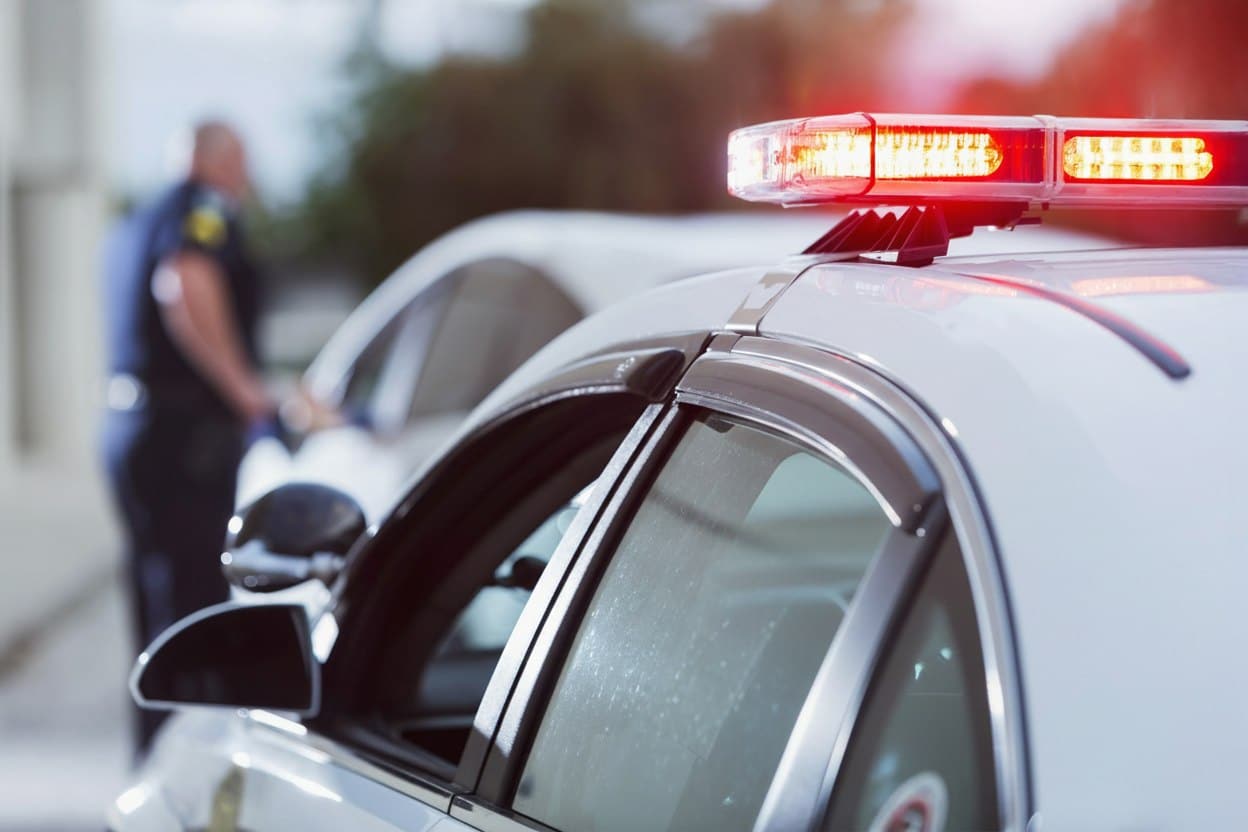
Several new California auto laws took effect in 2026, changing how drivers are expected to behave on the road and how fault, liability, and insurance claims may be evaluated. These updates are especially relevant for drivers in busy cities like Los Angeles, Beverly Hills, and Santa Monica, where traffic laws are frequently enforced.
View this post on Instagram
Understanding these laws is critical if you are involved in a car accident, receive a traffic citation, or have a personal injury claim. Below is a breakdown of the most important new California driving laws in 2026 and why they matter.
Expanded Slow Down and Move Over Law in California
Assembly Bill 390 (Wilson)
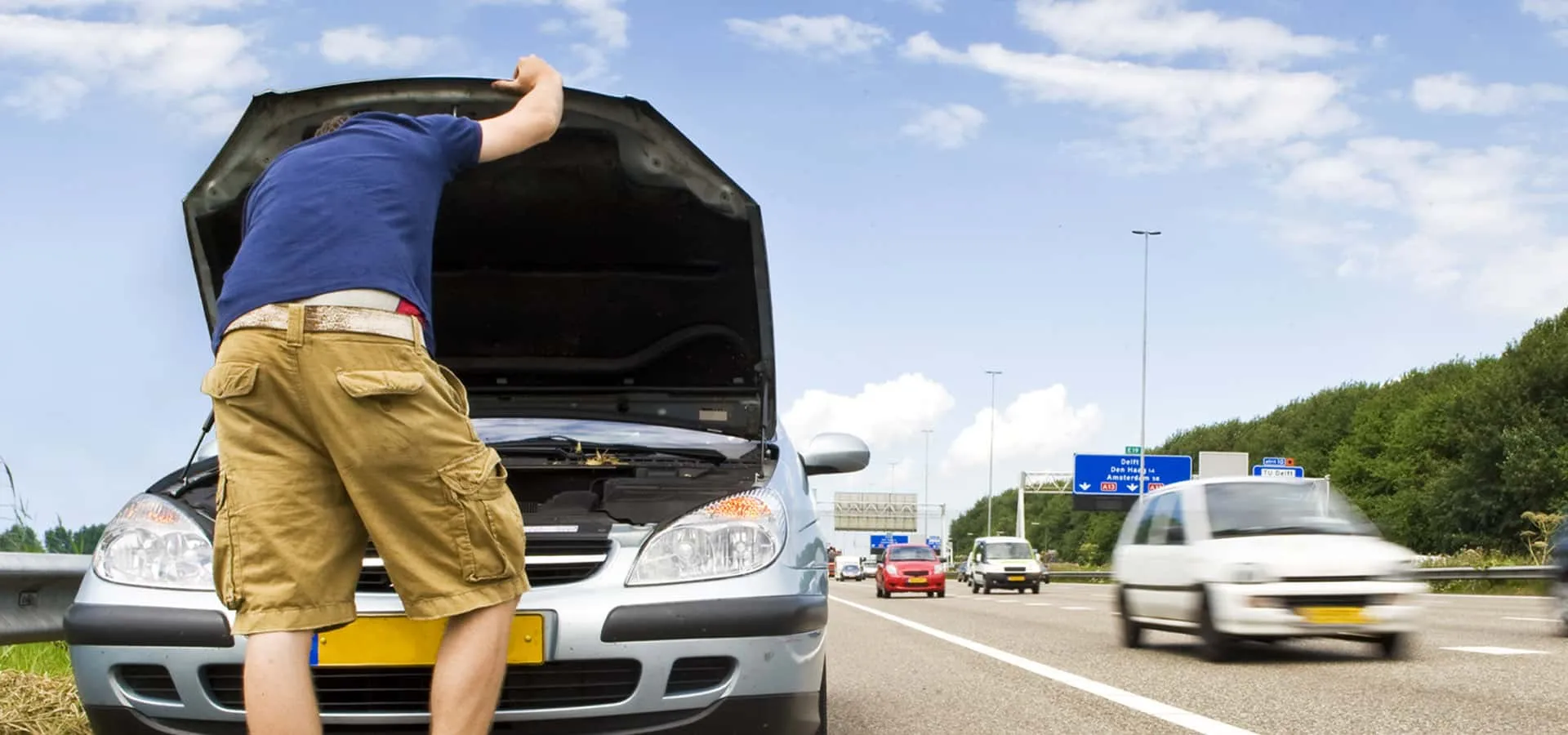
One of the most critical updates is California’s expansion of the “Slow Down, Move Over” law from emergency vehicles. Beginning in 2026, drivers must slow down or move over for any stopped vehicle using hazard lights or any other warning devices.
Key changes include:
- Applies to all stopped vehicles using hazard lights
- Not limited to police, fire, or ambulance vehicles
- Enforced statewide on highways and surface streets
Why this matters: Failing to slow down and move over is not just dangerous, it can also be a factor in determining fault in an accident. In busy areas like Los Angeles freeways and Santa Monica arterials, stalled vehicles are common, and a driver who causes a crash by ignoring this law may face increased fault and liability. When someone is injured, a violation of the Slow Down and Move Over law can help establish negligence after a roadside collision and have serious consequences in a personal injury claim.
Tip for drivers: Always slow down and move over whenever you see a stationary vehicle. It’s not just the law, but it is also for your safety.
Increased Red Light Camera Enforcement
Senate Bill 720 (Ashby)
California has increased red light camera enforcement, giving cities broader authority to use alternative automated camera systems at intersections. These violations are civil penalties only, meaning you won’t face criminal points, but more cameras mean more tickets and less room for error.
What drivers should know:
- Red light violations may be issued through automated camera technology
- Citations are treated as civil penalties, not criminal offenses
- Greater camera use means heightened enforcement at busy intersections
Why this matters: Intersection crashes often result in serious injuries, including head trauma, fractures, and spinal injuries. When a collision occurs at a signal-controlled intersection, automated red light enforcement footage may be used to help determine fault, particularly in California car accident claims where liability is disputed between drivers or challenged by insurance companies.
Tip for drivers: Approach intersections cautiously. Running a yellow light or trying to beat the red could now result in a ticket, even if you think you’re careful.
Lower Speed Limits in School Zones
Assembly Bill 382 (Berman)
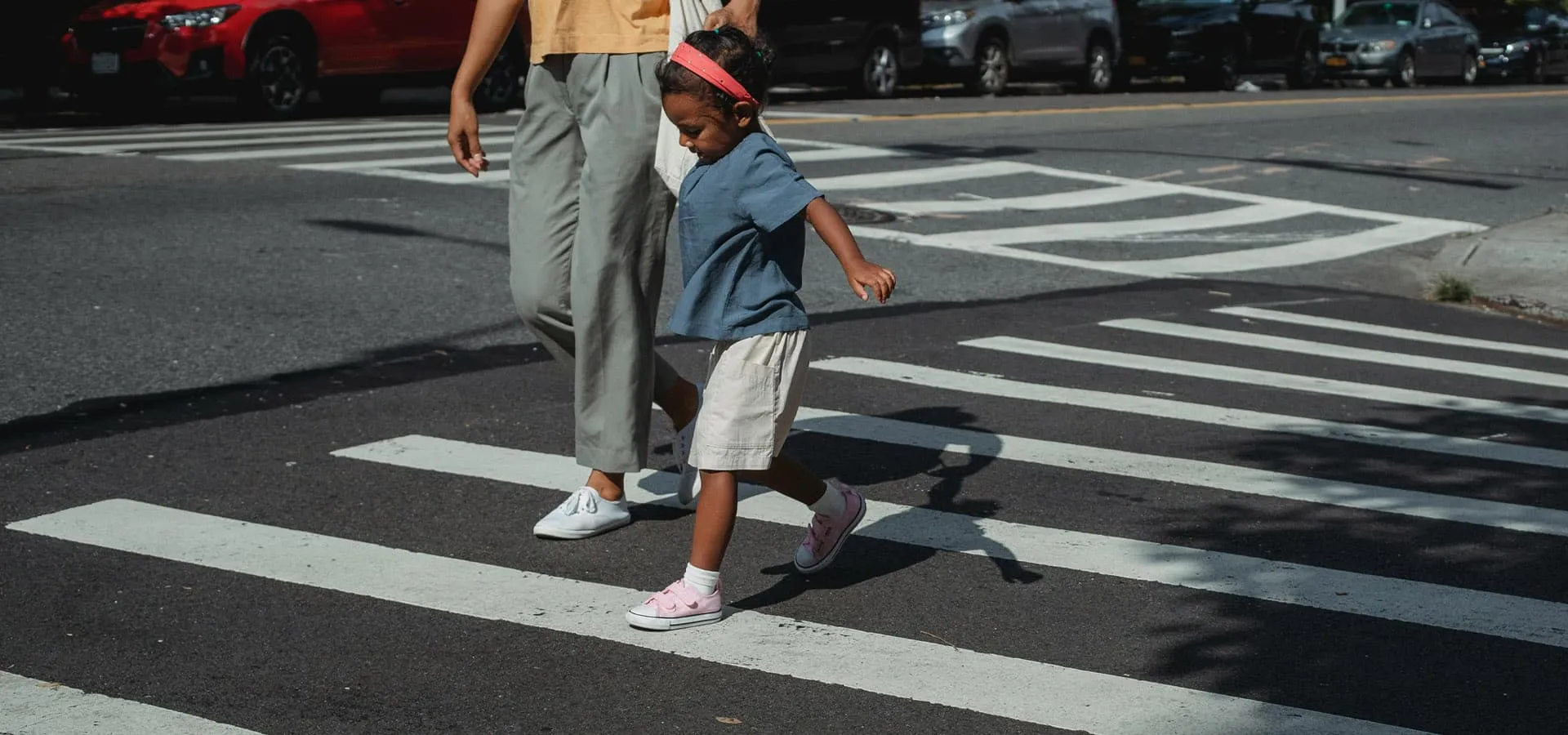
New California law allows and will eventually require school zone speed limits to be lowered from 25 mph to 20 mph once proper signage is installed. Enforcement hasn’t started yet, but the law is on the books, and when it takes effect, speeding tickets and liability exposure in school zones will increase.
What this allows:
- Local governments may reduce school zone speed limits immediately
- Lower limits become automatic statewide by 2031
- Increased enforcement in pedestrian-heavy areas
Why this matters: Lower speed limits increase driver responsibility in school zones. In dense neighborhoods across Los Angeles County, speeding violations may carry greater legal consequences, especially in pedestrian injury cases involving children.
Tip for drivers: Start adjusting your habits now. Slower speeds save lives and protect you from future costly tickets and accidents.
New Rules for Autonomous Vehicles and Electric Motorcycles
SB 480 (Archuleta) & SB 586 (Jones)
California continues to regulate emerging vehicle technology as autonomous and electric vehicles become more common.
2026 updates include:
- Autonomous vehicles may display marker lights when automated driving systems are active
- Electric off-highway motorcycles are now classified as off-highway vehicles and must comply with DMV registration requirements
Why this matters: Accidents involving autonomous vehicles or electric motorcycles often raise complex questions about responsibility. These laws help clarify how liability may be evaluated when new technology is involved in a collision.
Tip for drivers: Stay alert around autonomous vehicles and electric motorcycles, especially in urban areas where traffic patterns change quickly. Understanding how these vehicles operate can help prevent collisions and confusion after an accident.
When Violations of California Law Lead to Personal Injury Claims
Violations of these new California auto laws can directly impact fault, insurance disputes, and the strength of personal injury. If you or a loved one has been harmed due to another party’s failure to follow California law, please contact Etehad Law at (310) 550-1220 or etehadlaw.com/contact for a free consultation. Our goal is simple: make sure you get the justice and support you need.
Key Takeaways
- New traffic laws generally do not move filing deadlines: most California injury claims still run two years (CCP § 335.1); public-entity claims six months (Gov. Code § 911.2).
- Breaking a safety law can support negligence per se (Evid. Code § 669), turning another driver’s citation into evidence of fault.
- California’s broader red light camera enforcement (SB 720) and expanded Slow Down, Move Over law (AB 390) create new duties and records that can matter in a crash claim.
- Pure comparative fault means you can still recover even if partly at fault; your share reduces, but does not eliminate, the claim.
Frequently Asked Questions
Do new California traffic laws change how long I have to file an injury claim?
No. Whatever new rules of the road take effect, the deadline for most California car accident injury claims stays at two years from the crash under Code of Civil Procedure section 335.1, and six months for a claim against a public entity under Government Code section 911.2. New traffic laws change what counts as a violation, not the filing clock. Etehad Law still tells Los Angeles drivers to call early, because evidence fades long before the deadline runs.
Can a ticket under a new traffic law be used against the other driver in my case?
Often, yes. Under California’s negligence per se rule (Evidence Code section 669), breaking a safety law meant to prevent the kind of harm you suffered can create a presumption that the other driver was at fault. A citation for a new violation, such as running a red light caught on camera or failing to slow down for a stopped vehicle, can become useful evidence. Etehad Law gathers the citation, any camera footage, and the police report to build that argument for a Los Angeles client.
How does California’s expanded red light camera enforcement affect a crash claim?
Senate Bill 720 broadened automated red light camera enforcement in California, letting more cities use camera systems that photograph vehicles entering an intersection against the light and mail a civil penalty to the owner. For an injury claim, that footage can help show which driver ran the red light when a crash happened. Etehad Law can request the record and use it to prove fault in a disputed Los Angeles intersection collision.
Does the expanded Slow Down, Move Over law affect who is at fault in a crash?
It can. California’s expanded Slow Down, Move Over law, Assembly Bill 390, now requires drivers to slow down or change lanes for any stopped vehicle showing hazard lights, not just police, fire, or ambulance vehicles. A driver who ignores that duty and causes a roadside crash can share the blame, and California’s pure comparative fault rule then splits responsibility by percentage. Etehad Law looks at how each driver behaved near the stopped vehicle when it evaluates a Beverly Hills or Los Angeles collision.
If I was partly at fault under a new law, can I still recover?
Yes. California follows pure comparative fault, so you can recover even if you were partly to blame; your compensation drops by your share of responsibility but is not erased. Insurers often lean on a new violation to shift blame onto the injured person and pay less. Etehad Law pushes back with the physical evidence and the full context of the crash.
You may also like
 Accident and Injury
 California Personal Injury Statute of Limitations
Learn the California statute of limitations for personal injury claims, key filing deadlines, exceptions, and why you should act quickly.
Read More » Expert Opinion
 What is a Vehicle Black Box and How Can It Help Your Case?
Uncover the role of your car black box in legal cases. Insights from Personal Injury Attorney in Beverly Hills await. Check to…
Read More » Expert Opinion
 Will Posting on Social Media Tank Your Case?
How social media posts can affect a legal case, the dos and don'ts while a claim is open, and what insurers look…
Read More »
