

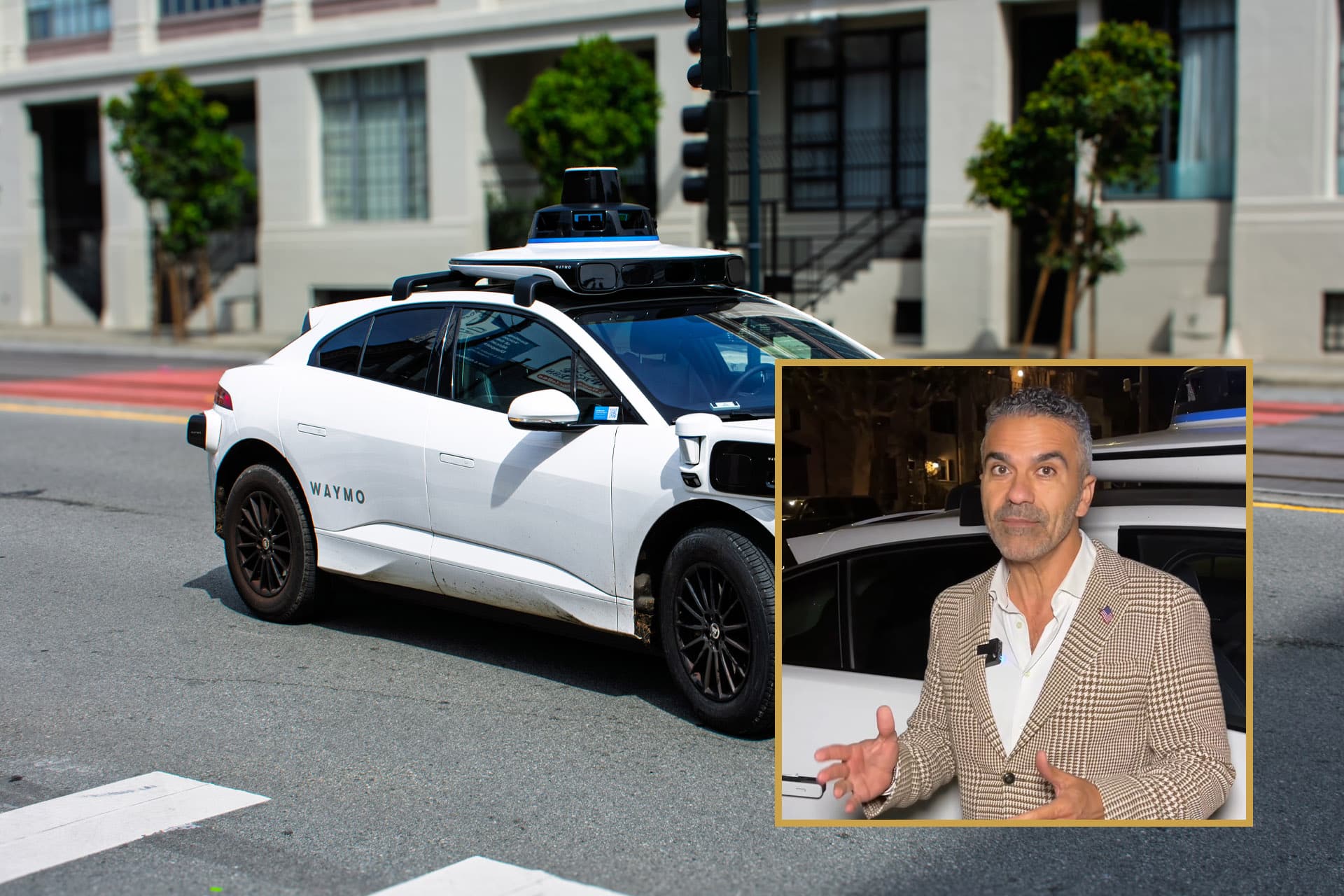
Autonomous vehicles are becoming an increasingly common sight across Los Angeles, particularly in areas like Beverly Hills, Santa Monica, and West Hollywood. As self-driving technology expands, many riders are asking an important question: is riding in a Waymo safer than Uber?
As we’ve previously discussed in our past blog on the future of Waymo and its growing presence in Beverly Hills, removing the human driver can reduce certain risks. However, autonomous vehicles also introduce unique insurance and liability concerns that passengers should understand before stepping inside a self-driving car.
View this post on Instagram
Waymo vs Uber Safety: What the Data Shows
Concerns around rideshare safety are not hypothetical. Between 2017 and 2022, Uber reported approximately 400,000 sexual misconduct incidents, averaging nearly one report every eight minutes nationwide.
For many riders, especially families, eliminating the human driver factor feels safer. That is one reason passengers increasingly choose Waymo over traditional rideshare services like Uber.
But safety is not only about who is behind the wheel. It is also about what happens if a crash occurs.
Autonomous Vehicle Insurance Coverage Explained
One of the biggest differences between Waymo and Uber lies in insurance coverage after an accident. Many passengers assume they are fully protected simply because the vehicle is autonomous. That is not always true.
If Waymo Is at Fault
If Waymo’s autonomous driving system is determined to be responsible for the crash, Waymo provides up to $5 million in coverage for passenger injuries and damages. This level of coverage can be significant in serious injury cases.
If Waymo Is Not at Fault
If another driver causes the accident, Waymo provides no liability coverage for passenger injuries. In these situations, recovery depends on the at-fault driver’s insurance or the passenger’s own uninsured or underinsured motorist coverage.
Medical Payments Coverage
Waymo provides up to $25,000 in medical payments coverage for passengers. Once that amount is exhausted, additional medical expenses may need to be covered through personal insurance or a personal injury claim.
Who Is Liable in a Waymo Accident?
Determining liability in an autonomous vehicle accident is more complex than in a traditional rideshare crash. Liability may involve:
- The autonomous vehicle operator
- Another negligent driver
- Insurance coverage disputes
- Technology and system failure questions
This complexity is why Waymo accident claims and self-driving car injury cases require careful legal evaluation.
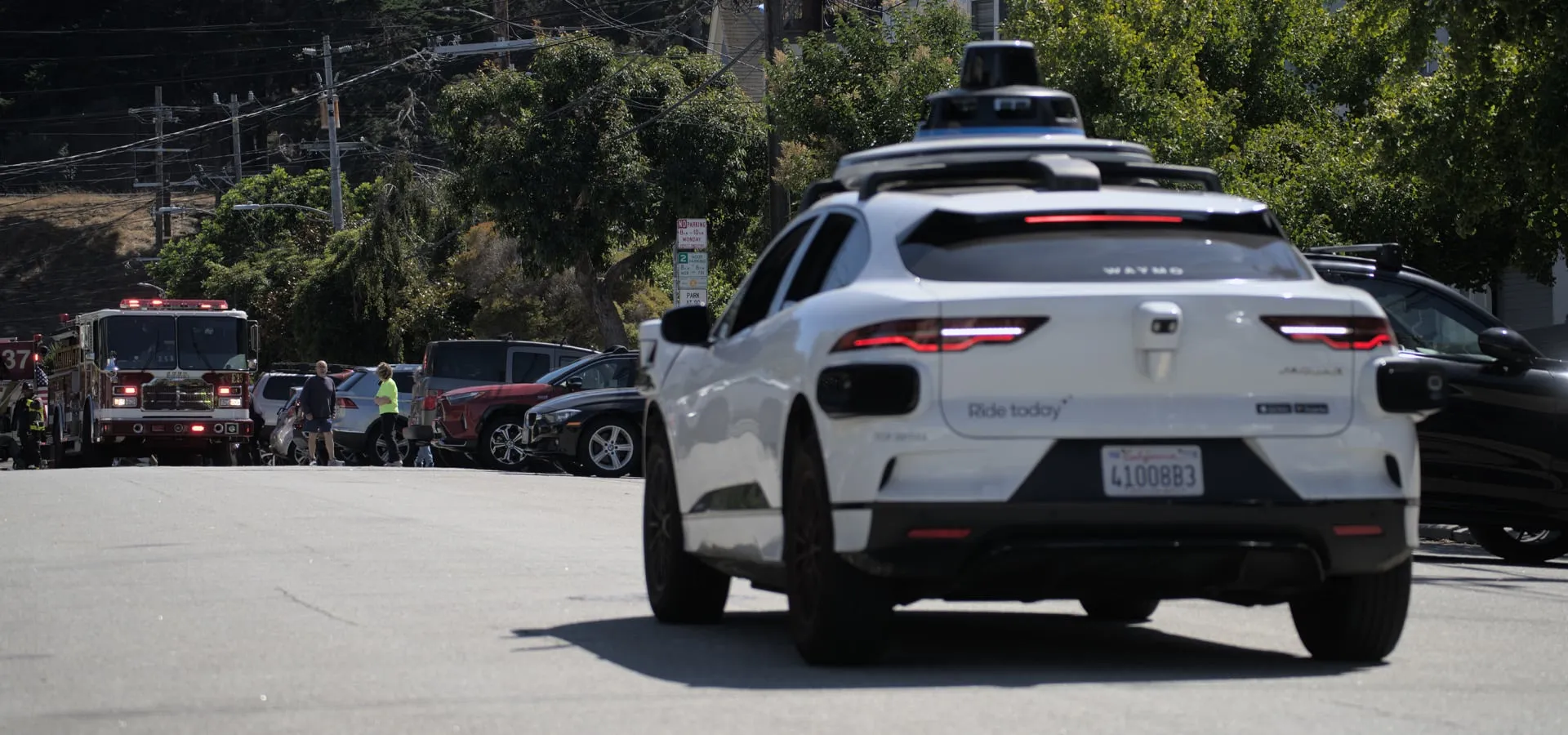
Why Your Own Insurance Still Matters
Even when riding in a self-driving vehicle, your personal auto insurance can play a critical role. Uninsured and underinsured motorist coverage is especially important when another driver is responsible for the crash and lacks adequate insurance.
Passengers often assume Waymo insurance will cover every scenario. Unfortunately, insurance gaps can leave injured riders financially exposed.
What to Do After a Waymo or Uber Accident
If you are injured in a Waymo or Uber accident in Los Angeles:
- Seek medical attention immediately
- Document the scene and your injuries
- Avoid assuming the company’s insurance will cover everything
- Speak with a lawyer experienced in autonomous vehicle accident claims
Speak With a Los Angeles Waymo Accident Lawyer
If you or a loved one has been injured while riding in a self-driving vehicle or rideshare, Etehad Law can help. Our firm handles complex personal injury cases involving autonomous vehicles, rideshare accidents, and evolving liability laws throughout California.
Understanding your rights after a Waymo accident can make the difference between being fully compensated and being left with uncovered expenses.
Carry strong insurance. Know your risks. And if an accident happens, contact Etehad Law.
Key Takeaways
- Long-term safety data comparing driverless robotaxis and human-driven rideshares is still developing; both carry real injury risk.
- A driverless crash can involve the fleet operator, the carmaker, and the software developer, and may support a California product liability claim.
- California requires driverless vehicle operators to carry at least $5 million in coverage — above the $1 million Uber and Lyft carry during an active ride.
- Injury claims generally follow a two-year deadline (CCP § 335.1); a government-linked crash can require a six-month claim (Gov. Code § 911.2).
Frequently Asked Questions
Is riding in a Waymo safer than riding in an Uber?
The honest answer is that the data is still young. Waymo has published crash figures suggesting its driverless cars are involved in fewer injury crashes per mile than human drivers in the areas it serves, but independent researchers are still testing those numbers over larger samples. Etehad Law focuses less on which option is statistically safer and more on what an injured Los Angeles rider can actually recover after either kind of crash.
Who is liable if a Waymo or other robotaxi injures a passenger in California?
Because there is no human driver to blame, responsibility usually falls on the company running the fleet, the carmaker, or the developer of the self-driving software, depending on what the vehicle data shows. California treats a defective autonomous system as a product, so an injured passenger may bring a product liability claim alongside an ordinary negligence claim. Etehad Law helps Beverly Hills and Los Angeles riders sort out which parties and which insurers are responsible.
How much insurance covers a driverless robotaxi crash compared with an Uber?
California requires permitted driverless vehicle operators to carry at least $5 million in liability coverage under Title 13 of the California Code of Regulations, far above the $1 million Uber and Lyft carry during an active ride. That higher floor often means more compensation is available to an injured robotaxi passenger than in a standard rideshare crash. Etehad Law identifies every policy that applies before anyone signs off on a settlement.
How long do I have to file a claim after a robotaxi injury in California?
Most injury claims must be filed within two years of the crash under California Code of Civil Procedure section 335.1. If a public entity is involved, such as a city vehicle or public transit, you may have as little as six months to file a written government claim under Government Code section 911.2. Robotaxi crash data can be overwritten quickly, so Etehad Law urges Los Angeles riders to speak with a lawyer early while the evidence still exists.
What should I do if I am hurt as a passenger in a Waymo or Uber?
Get medical care first, then report the crash in the app so it is recorded, photograph the scene, and save your trip receipt. Avoid giving a recorded statement to any insurer before you understand your rights, because early statements are often used to shrink a claim. Etehad Law offers Beverly Hills and Los Angeles riders a free consultation to review what happened and which coverage applies.
You may also like
 Accident and Injury
 California Personal Injury Statute of Limitations
Learn the California statute of limitations for personal injury claims, key filing deadlines, exceptions, and why you should act quickly.
Read More » Expert Opinion
 What is a Vehicle Black Box and How Can It Help Your Case?
Uncover the role of your car black box in legal cases. Insights from Personal Injury Attorney in Beverly Hills await. Check to…
Read More » Expert Opinion
 Will Posting on Social Media Tank Your Case?
How social media posts can affect a legal case, the dos and don'ts while a claim is open, and what insurers look…
Read More »
